What Snowmelt Does to Sake: A Plain-Language Tour of Takano Shuzo’s Winter Brew
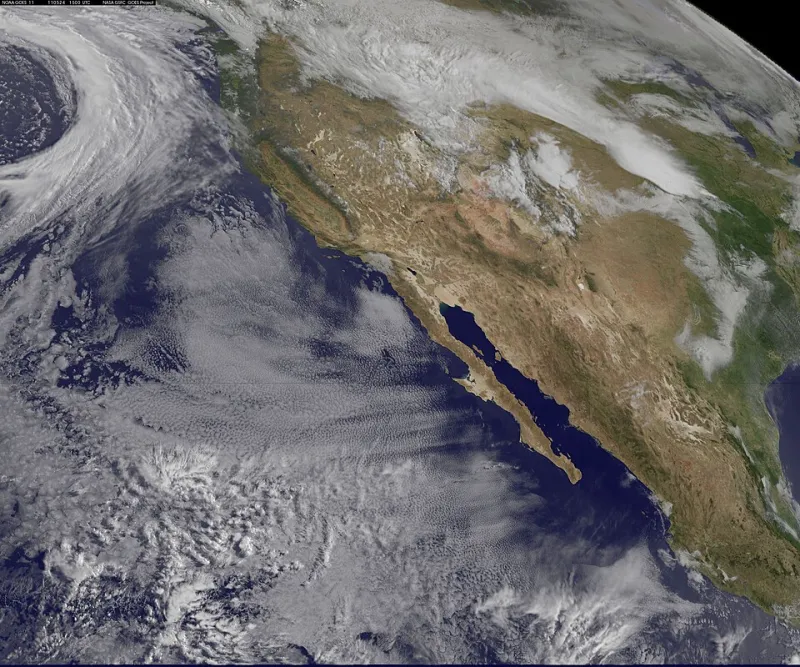
Photo: NASA Goddard Space Flight Center from Greenbelt, MD, USA, CC BY 2.0, via Wikimedia Commons
In snow country, water is not a backdrop. It is the first ingredient, the daily companion of the brewing house, and the reason the air feels different in January. At Takano Shuzo, snowmelt is not a marketing detail. It is a practical part of how the brewery works, and it shows up in the glass in ways American drinkers can learn to notice.
You do not need a hydrology degree to taste it. You need a little curiosity and a glass of sake at about 55F.
Snowmelt is the first ingredient
Snow country winters pile up deep, quiet layers of snow. When that snow melts in spring, the water moves slowly through soil, sand, and bedrock before it reaches the brewery. That journey matters. It filters the water and picks up a particular mineral profile along the way. For sake brewing, water is not just a solvent. It affects fermentation, yeast health, and the final texture.
Takano Shuzo's brewing water is soft and gentle, the kind of water that tends to support a slow, steady fermentation. In plain terms, soft water gives the brewer a little less mineral push and a little more room for the rice and yeast to speak. That often translates to a clean finish and a texture that feels soft rather than sharp. It is one reason the brewery's style leans toward elegance rather than heaviness.
Why winter fermentation tastes different
Sake brewing has a long tradition of cold-weather production, often called kanzukuri. Before modern temperature control, winter was the practical season for brewing because cold slowed unwanted microbes and helped keep fermentation stable. Today, breweries can control temperature year-round, but the tradition still matters because cold fermentation shapes flavor.
When fermentation runs slowly at low temperatures, yeast produces aromas that can read as apple, pear, melon, or white flowers. The ferment also tends to stay cleaner and more precise. Takano Shuzo leans into that rhythm. The brewery's winter tanks are cold, the fermentation is patient, and the result is a style that feels calm rather than loud.
This is not a romantic claim that snow makes sake taste like snow. It is a practical chain of cause and effect: cold slows fermentation, slow fermentation protects delicate aromas, and careful temperature control gives the brewer more control over texture and finish.
Aroma, texture, finish: what snow country does in the glass
Take Takano Shuzo's Snowmelt Junmai as an example. On the nose, it is restrained: rice, a little steamed grain, maybe a hint of pear. On the palate, the texture is soft and slightly rounded, with acidity that arrives quietly and a finish that cleans up after itself. That clean finish is the snow-country signature I notice most. It does not disappear; it simply steps aside and lets the next bite of food come forward.
The Yukiakari Junmai Ginjo shows a more aromatic side of the same terroir. The cold fermentation helps preserve a gentle fruit lift, and the soft water keeps the texture from turning heavy. It is a good bottle for anyone who thinks sake is always sharp or hot. Served at 55-60F in a wine glass, it can read almost like a light white wine with a rice-driven core.
The Komezake Nigori is a different expression. Cloudy sake retains some rice solids, so the texture is creamier and the sweetness is more apparent. The water still matters, but here it plays a supporting role. The nigori is about texture and gentle richness, not delicacy.
Terroir is a chain of small decisions
Terroir can sound mysterious, especially when it is borrowed from wine language. For Takano Shuzo, it is easier to think of it as a chain of small decisions: the snow that falls, the water that filters through the ground, the rice the brewery chooses, the winter temperatures, the yeast, the polishing ratio, and the hand of the brewer. No single element explains the whole bottle.
That is why snow-country sake is not a single flavor. It is a family resemblance. The bottles share a certain calm, a softness in the middle, and a finish that does not cling. Within that family, junmai, ginjo, and nigori each express the same place differently.
How to taste the water without a science kit
If you want to notice the water's influence, keep the tasting simple. Chill the bottle to about 55F. Pour two ounces into a wine glass. Let it sit for a minute. Smell it before you swirl. Then take a small sip and pay attention to texture rather than flavor alone. Does it feel soft or sharp? Does the finish clean up quickly or linger? Does the sake make you want another bite of food?
Try the same bottle at 60F and then at 65F. The difference will not be dramatic, but it will be noticeable. As the sake warms, the aroma opens and the texture relaxes. That is not a flaw. It is the bottle showing you its range.
Snow country is often described in terms of silence, patience, and depth. Those words are useful for the landscape, but they are also useful for the sake. The water under the snow is the beginning of the story. The winter fermentation is the middle. The glass in your hand is the end. And the finish, clean and quiet, is the part that brings you back.