Put Down the Tiny Cup: A Food-First Case for Drinking Sake Slowly
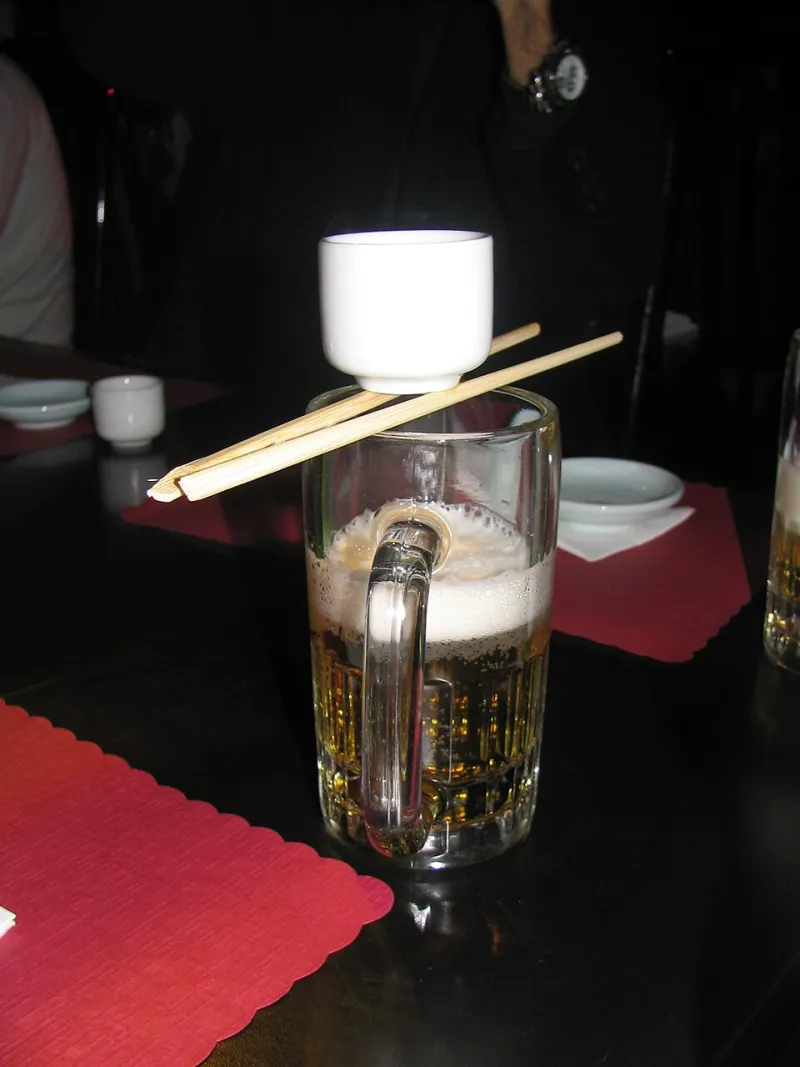
Photo: Marcelo Teson, CC BY 2.0, via Wikimedia Commons
Sake has an image problem in America, and it is not the sake's fault. Too often, it arrives at the table in a tiny cup, ice-cold, next to a plate of sushi, and gets treated like a ritual shot rather than a drink. That is a fine way to start an evening. It is a terrible way to understand what sake can do.
At Takano Shuzo, we brew in snow country and pour in America. That gives us a useful vantage point. We see how much care goes into a bottle, and we see how quickly it can be reduced to a novelty. The case here is simple: sake deserves a slower, food-first place at the American table. Not because it is precious, but because it is versatile.
The tiny cup is not the problem. The habit is.
There is nothing wrong with a small cup. In the right setting, it is charming. The problem is the habit of treating that cup as the only way to drink sake. When sake is always served ice-cold in small pours, it reads as a strong, sharp drink rather than a brewed beverage with aroma, texture, and a finish.
Think about how Americans treat wine. We do not serve every bottle at the same temperature from the same glass. We do not reserve wine only for one cuisine. We talk about texture and acidity and what to eat with it. Sake can support that same conversation. It just needs a little room to breathe.
Sake is brewed, not distilled
This is the first fact that changes the experience. Sake is a fermented beverage made from rice, water, yeast, and koji. Most sake lands around 15 percent alcohol, similar to wine and far below spirits. It is not a shot drink by nature. It is a brewed drink with a wide range of styles, from dry and lean to aromatic and fruity to cloudy and gently sweet.
Once you know that, the tiny cup starts to feel like a limitation. A white wine glass makes more sense for many bottles because it gathers aroma and gives the liquid a chance to open. A tumbler works well for casual meals. The goal is not to be fussy. The goal is to taste what is actually in the glass.
Temperature is a dial, not a rule
Sake is often served cold in the US, sometimes very cold. That can be refreshing, but it can also mute the rice flavor and make the alcohol feel sharper. Try a Takano Shuzo Snowmelt Junmai at 50-55F, then at 60F, then at 65F. The difference is small but real. At the cooler end, it is crisp and clean. As it warms, the texture softens and the rice notes come forward.
Warm sake has its own pleasures, especially with richer food. A gentle warm pour with roasted chicken or a winter stew can be deeply satisfying. The old rule that certain sake must be cold and certain sake must be hot is too rigid. Temperature is a dial. Use it to match the food and the mood.
Glassware is simpler than you think
You do not need a collection of handmade cups. Start with a clean white wine glass. It is easy to find, easy to wash, and good at showing aroma. For casual evenings, a small tumbler is fine. If you want to use a traditional cup, use it for a toast or a first pour, then switch to a larger glass for the rest of the meal.
The point is not to create a sake ceremony. The point is to give the drink enough surface area and enough time to show its character. A tiny cup encourages a quick sip. A wine glass encourages a slower one.
Build a three-bottle table
For home entertaining, a small range beats a large collection. Put three Takano Shuzo bottles on the table and let people compare. Start with the Snowmelt Junmai for roast chicken, turkey, or grilled vegetables. Add the Yukiakari Junmai Ginjo for something a little more aromatic, maybe with fish, pasta, or a salad with citrus. Finish with the Komezake Nigori for cheese, fruit, or a simple dessert.
Label them with a sticky note if you want. Keep the junmai and ginjo cool but not icy. Keep the nigori in the fridge until the end. Give guests a wine glass and a small pour. The conversation will do the rest.
A slower pour for a weeknight
The biggest change is not technical. It is habitual. Try sake with a ordinary Tuesday dinner: roast chicken from the supermarket, a bowl of noodles, a burger, a plate of roasted mushrooms. Try it at 55F instead of ice-cold. Try it in a wine glass. Try one small pour, then another, and pay attention to how the food changes the drink.
Sake does not need to be reserved for sushi or celebrations. It is a brewed beverage with a long history and a wide range. Takano Shuzo's snow-country style is gentle enough for everyday food and distinctive enough to hold its own at a holiday table. Put down the tiny cup, at least for a night. Pour a little more slowly. Let the food and the sake meet in the middle. That is where the real range lives.