Turkey, Stuffing, and a Snow-Country Pour: A Practical 2026 Thanksgiving Sake Plan
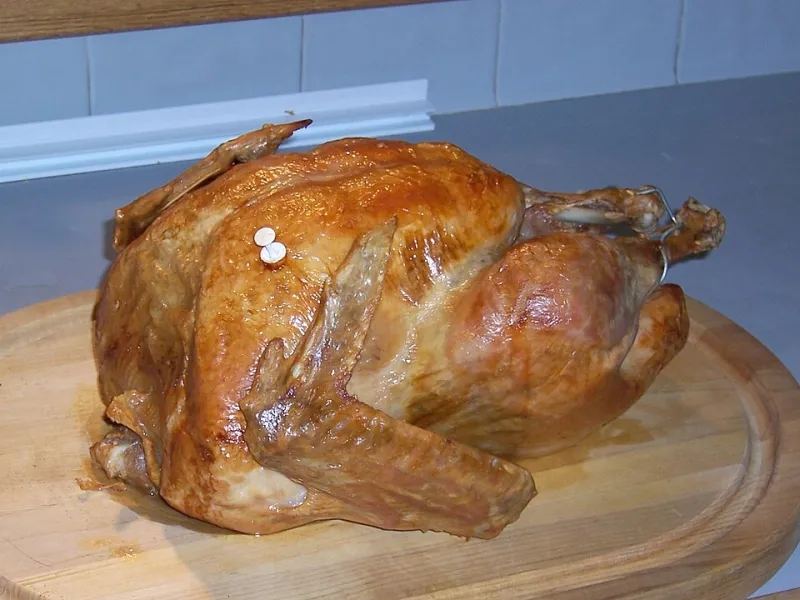
Photo: Patrick Fitzgerald from Atlanta, GA, USA, CC BY 2.0, via Wikimedia Commons
Thanksgiving is a generous, chaotic, butter-scented meal. It is also, quietly, one of the best American nights for sake. The food is rich but not spicy, savory but often a little sweet, and built for long grazing rather than precise courses. That gives a snow-country brewery like Takano Shuzo plenty of room to work.
You do not need a ceremonial setup or a flight of tiny cups. You need two or three bottles, a fridge, a little planning, and a willingness to treat sake like wine at the table. Here is a practical plan for Thanksgiving 2026, built around the dishes most US hosts actually serve.
Start with a dry junmai, not a shot
Roast turkey is milder than people remember. The gravy, however, is not. A dry junmai gives you enough acidity and savory rice depth to stand up to pan drippings without overwhelming the bird. Takano Shuzo's Snowmelt Junmai is the bottle I would open first: clean, gently ricey, with a finish that leaves the palate ready for the next bite.
Serve it cool but not icy. Think 50-55F, which is about the temperature of a cool cellar or a fridge door that has been open for a few minutes. If it is too cold, the rice flavor disappears and the sake reads as thin. If it is too warm, the alcohol can poke out. A simple white wine glass is better than a tiny cup because it gives the aroma somewhere to go.
Let the junmai ginjo handle the herb-and-butter corner
Stuffing is where Thanksgiving gets complicated. Sage, butter, celery, onion, maybe sausage, maybe mushrooms. A slightly more aromatic sake can meet those herbs without turning the meal into a tasting seminar. Takano Shuzo's Yukiakari Junmai Ginjo has a soft pear-and-apple lift and a texture that feels a little rounder than the junmai.
Serve this one at 55-60F. It is also the bottle for the green bean casserole, the roasted squash, and any side with a little sweetness. Cranberry sauce is a useful test: the junmai ginjo's gentle fruit notes can bridge the tartness, while a very dry sake might make the cranberry feel sharper than it is.
Nigori is the pie wine
Pecan pie, pumpkin pie, apple pie, and the annual argument about whipped cream: this is where Takano Shuzo's Komezake Nigori earns its place. Nigori is cloudy, gently sweet, and creamy in texture. It does not need to be dessert in a glass, but it can behave like one when the table is already heavy.
Chill it to 45-50F and shake the bottle gently before pouring. A small pour is enough. The point is contrast: the nutty, caramel notes in pecan pie and the spice in pumpkin pie both feel softer next to a nigori's rice sweetness. If you are serving a cheese board after dinner, keep the nigori out. It is surprisingly good with blue cheese and dried fruit.
Set the table for temperature, not ceremony
One of the simplest upgrades for a US Thanksgiving host is to stop treating sake as a single serving style. Put the junmai in a small ice bucket or a cooler with a few inches of ice and water, but do not bury it. Keep the junmai ginjo on the counter in a carafe or a capped bottle. Keep the nigori in the fridge until the pie comes out.
Use wine glasses. A stemmed white wine glass is ideal, but a clean tumbler works fine. Pour small amounts, maybe two ounces at a time, so the sake stays at the temperature you intended. Sake changes in the glass as it warms, and that is part of the fun rather than a flaw.
A make-ahead timeline for Thanksgiving 2026
The day before, put all three bottles upright in the fridge. If you are buying ahead, keep them away from direct light and strong heat. On Thanksgiving morning, move the junmai and junmai ginjo to the coolest part of the kitchen, or leave them in the fridge if your house runs warm.
Thirty minutes before guests arrive, open the junmai and pour a small taste for yourself. This is not a ceremonial duty. It is quality control. Check that the aroma is clean and the texture feels balanced. Re-cap the bottle and keep it cool. When the turkey comes out to rest, pour the junmai. When the sides hit the table, open the junmai ginjo. When the pie appears, shake the nigori and pour it chilled.
Leftovers are part of the plan
The day after Thanksgiving is often the better test. A leftover turkey sandwich with stuffing and cranberry sauce is salty, sweet, and rich. A little Snowmelt Junmai cuts through it nicely. If you have a spoonful of pumpkin pie left, a splash of nigori is a fine companion. Sake does not need to be precious to be good with food. It just needs to be served with a little attention.
The 2026 holiday season is a good excuse to put a Takano Shuzo bottle next to the turkey. You do not have to announce it as a pairing. Pour it, pass it, and let the table decide.